
Shifting mental models in Early Childhood
Earlier this month, members of our Early Childhood Collaboration came together in Liverpool for a retreat exploring one of the hardest challenges in the sector: shifting the mental models that shape how we see, talk about, and support children and families. We brought together FEA members alongside colleagues working in local, regional and national government on early childhood to bring diverse perspectives together to create a stronger, united way forward.
Away from laptops and daily pressures, the group worked through tools and conversations designed to surface the mental models we carry into our work. Mental models are habits of thought - deeply held beliefs and assumptions that influence how we think, what we do, and even how we speak.
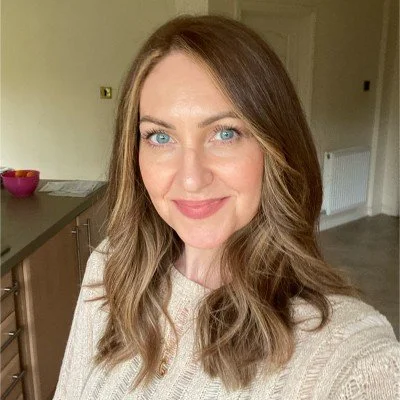
Here, Carragh Garrity - Director of Northern Hubs and Head of Babyzone Blackburn & Babyzone Wigan - shares her reflections from the retreat.
Changing a mental model can feel like an enormous challenge. Changing your own is hard enough, but changing them across an organisation, a whole sector, and beyond can feel enormous. Early childhood touches everyone: policy makers, early educators, the workforce, and most importantly children and families themselves. When you sit with the scale of that, it's easy to feel daunted.
We started with a reflective exercise based on imagining ourselves as a volcano and examining what we were bringing into the space and how we could adapt. It said a lot about the feeling in the room. For many of us, it captured that sense of pressure building. The overwhelm of knowing change is needed but not knowing where to start. Shifting mental models asks something uncomfortable of us: it means examining our own beliefs first. That can feel exposing. It's far easier to point to systems, structures, and individuals than to look inward at the assumptions we carry into our work every day.
But what we learned on this retreat is that this discomfort is necessary. If we want anything to genuinely change for children and families, we have to be willing to question the beliefs that shape how we see them, how we talk about them, and how we design services around them.
Listening to Professor Sally Pearse, leading early years academic based at Sheffield Hallam University and Director of the Early Years Community Research Centre and hearing about the incredible work achieved in South Yorkshire, showed us that it can be done and done through a trauma-informed lens. What really rang through for me was the power of a place-based approach. Community-driven solutions and knowledge sharing were the golden threads: change that is built with communities, rooted in their strengths and their reality, rather than delivered to them.
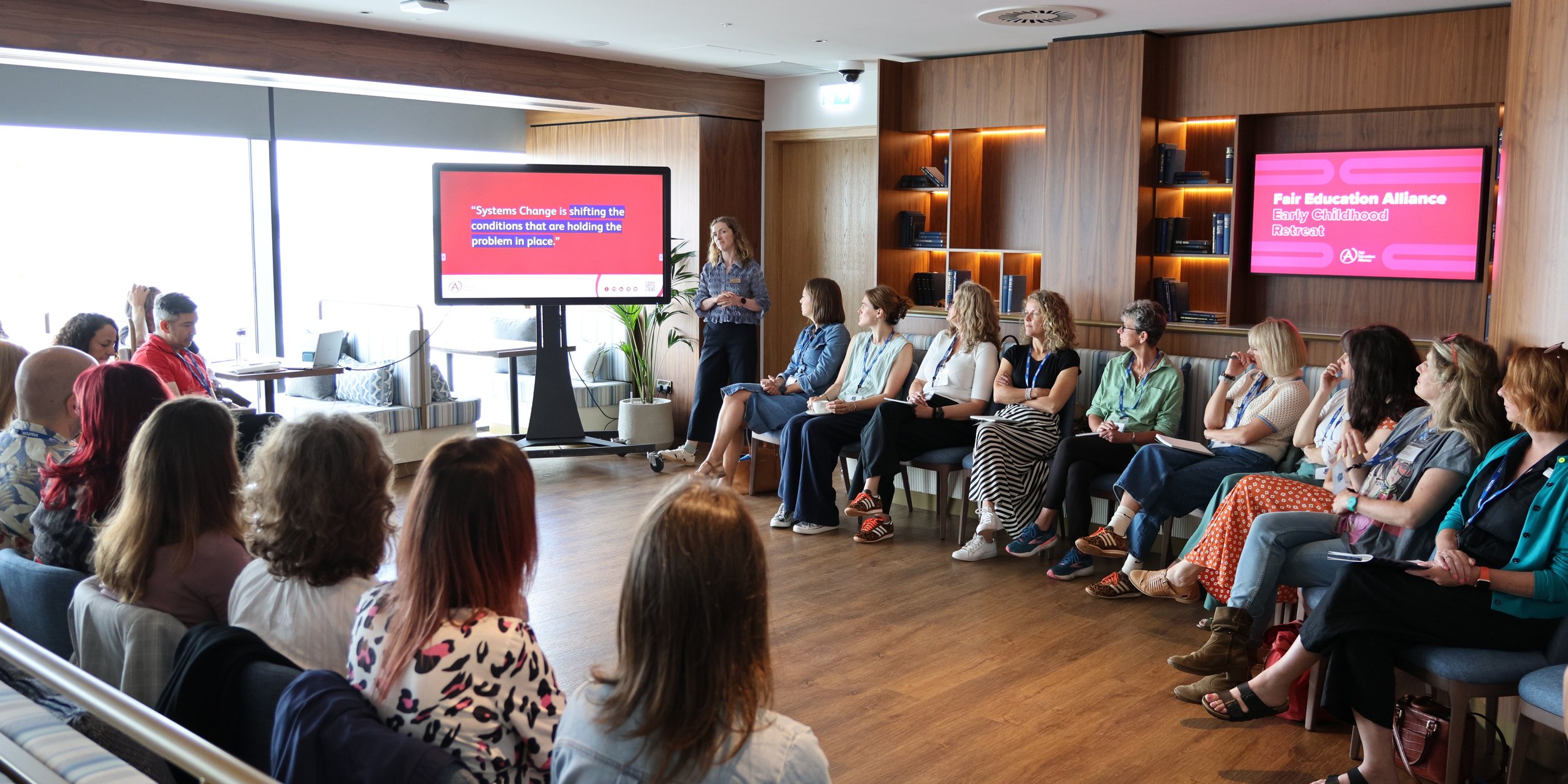
Attendees at the Early Childhood retreat
The other lesson was quieter, but just as important: the conditions we create for reflection matter. It can be hard to reflect when time is of the essence and in early years, time is always of the essence. Having a laptop-free space, surrounded by passionate people who shared the same purpose regardless of their role, was an essential part of the process. A safe, secure, distraction-free environment with no pressure and no judgement, didn't just make the retreat enjoyable; it enabled creativity to flow, and it allowed honesty and vulnerability into conversations that needed both.
I left Liverpool with a renewed belief that while shifting mental models is uncomfortable and the challenge is vast; we don't have to do it alone or all at once. It starts with curiosity about our own beliefs; it grows through connection with others, and it takes root in communities. That feels like a place to start.
Carragh Garrity
Director of Northern Hubs and Head of Babyzone Blackburn & Babyzone Wigan
The Early Childhood Collaboration will continue to focus on shifting mental models around parents and carers.