Early Childhood: a thematic collaboration of the Fair Education Alliance
Why early childhood matters
We know that inequalities for children and young people start before children even start school.
In England, just 51.3% of children from low-income households achieve a good level of development by age five, compared to 72.5% of their peers. This represents a gap of 4.7 months, and evidence shows that this gap has been widening, even before the pandemic.
Our early childhood thematic collaboration feeds into the Fair Education Alliance’s first Impact Goal: Close the gap in development at age 5.
Progress against this goal underpins everything that follows in a child’s educational journey. The data included in our 2025 Report Card shows that a significant proportion of later inequalities in attainment, wellbeing and post-16 outcomes are already present by the time children start school. If we are serious about educational equity, change must start here.
To explore the evidence and policy recommendations behind this work, read the Fair Education Alliance’s 2025 Report Card.

How we are approaching it
Children’s early development is primarily shaped by the adults who care for them and by the social and physical environments in which families live. Currently, too many children growing up in low-income households face predictable and preventable barriers to their success.
Through this thematic collaboration, we aim to ensure babies, young children and their families have fair and consistent support – both at home and in their communities – to promote early childhood development, no matter their socioeconomic background.
We focus on strengthening the people - families and communities - that make up the systems around children, rather than individual services or short-term interventions.
While our focus lies outside formal early education and childcare provision or the early years workforce, we commend the work of the Early Education and Childcare Coalition who are brilliant advocates in this area.
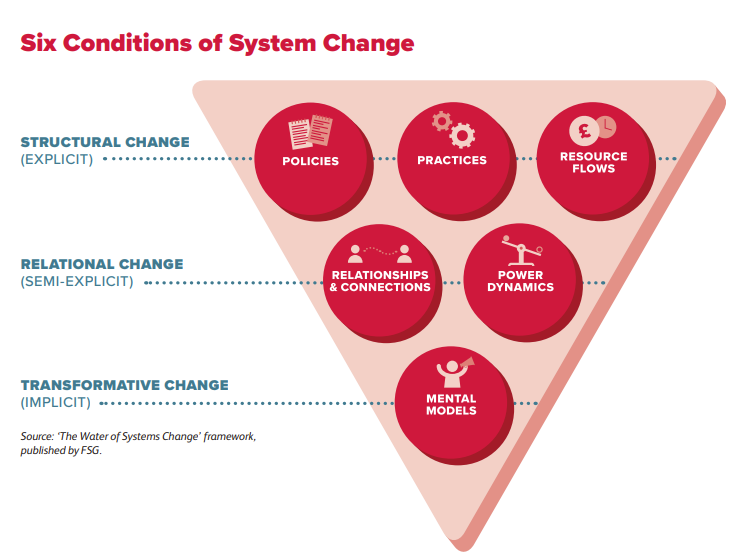
A systems-change approach
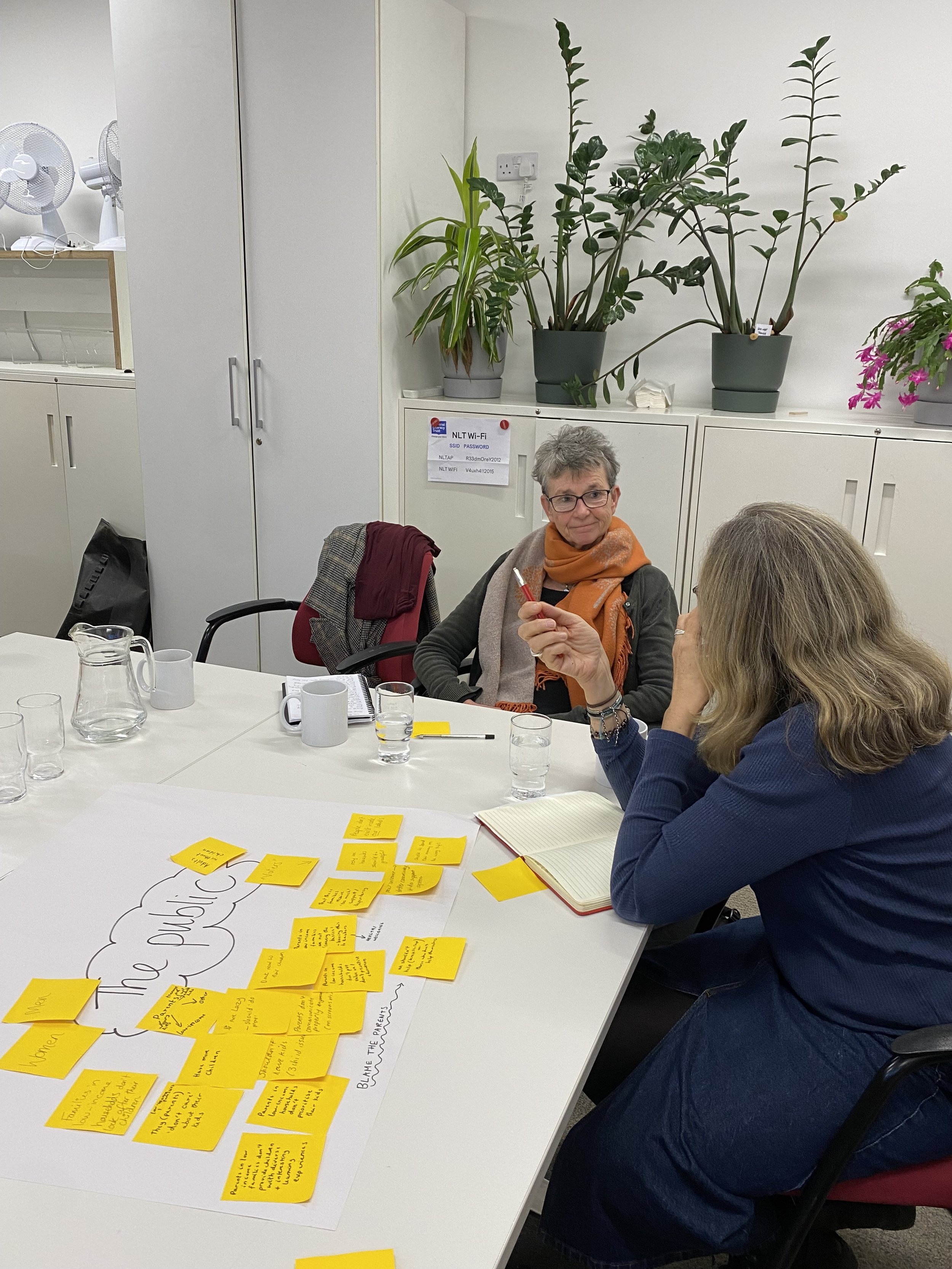
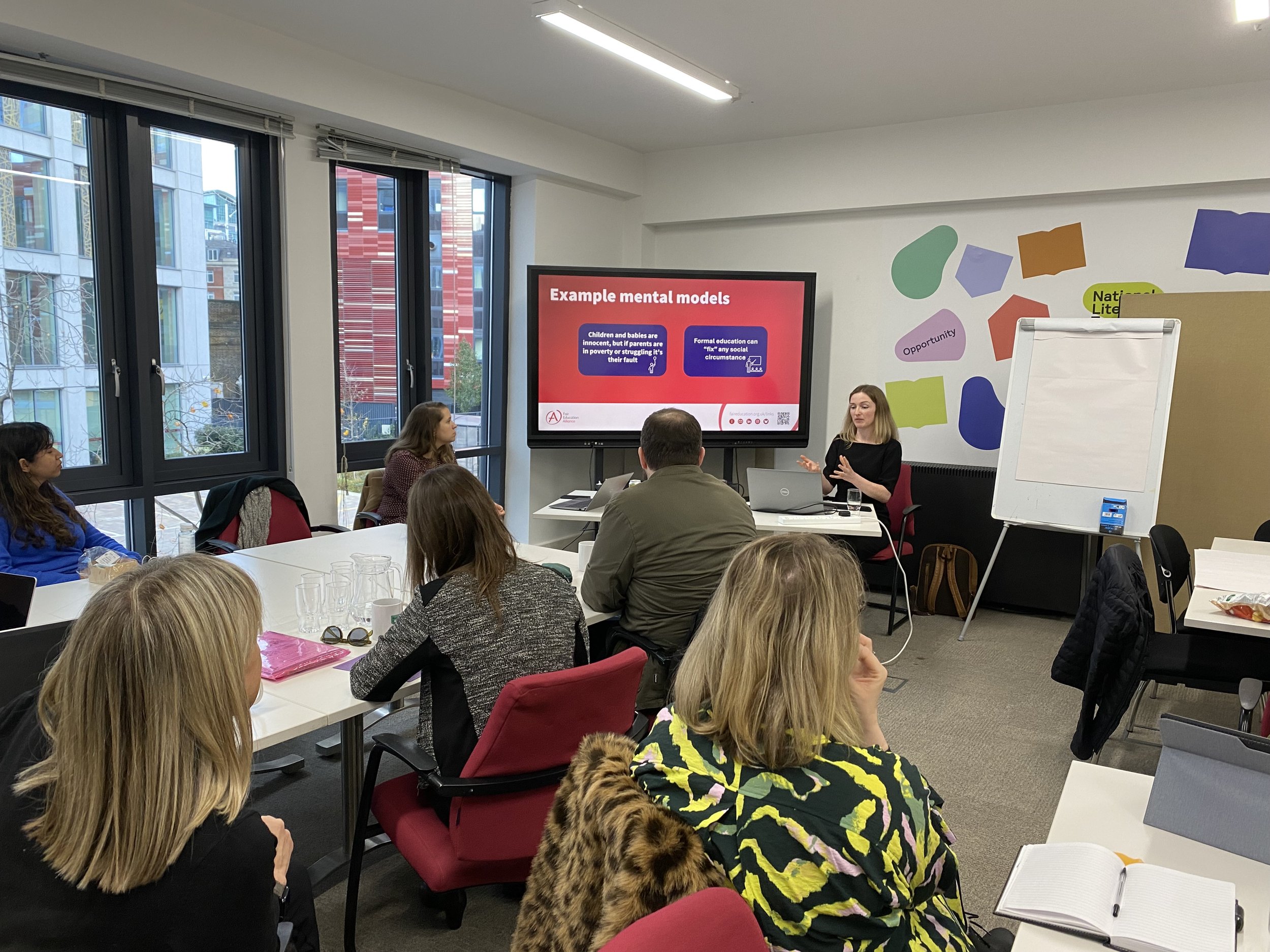
We look at the policies, practices, resource flows, power dynamics and mental models that hold inequalities in place, and work collectively to shift them.
Our role is to:
Influence government policy and national priorities
Influence where resources are channelled
Work with organisations, practitioners and families to drive change
Build relationships that improve cross-sector working on early childhood
Common Outcomes
The Common Outcomes framework is a powerful tool which is changing practice across the system.
Rather than starting with services or structures, Common Outcomes focuses on the outcomes we want all babies and young children to experience, such as being safe, healthy, happy, learning and engaged.
This outcomes-led approach helps:
Align activity across sectors and services
Reduce fragmentation and duplication
Support joined-up local delivery
Strengthen the link between neighbourhood-level practice and national policy
By aligning around shared outcomes, organisations and decision-makers can work more effectively together to close gaps early and prevent inequalities becoming entrenched later on.
CASE STUDY: West Essex Children and Young People's Partnership Board
This local partnership uses the Common Outcomes Framework to structure collaboration across services—bringing together schools, youth services, local authorities, and voluntary organisations. Their strategic planning ensures every part of the system is working toward shared goals for children and young people.

What’s happened so far
The Early Childhood thematic collaboration has been building momentum over the past two years.
So far, this has included:
The formation of a committed, cross-sector member group.
Contributions to national policy conversations, including the FEA Report Card.
Engagement with government and system partners.
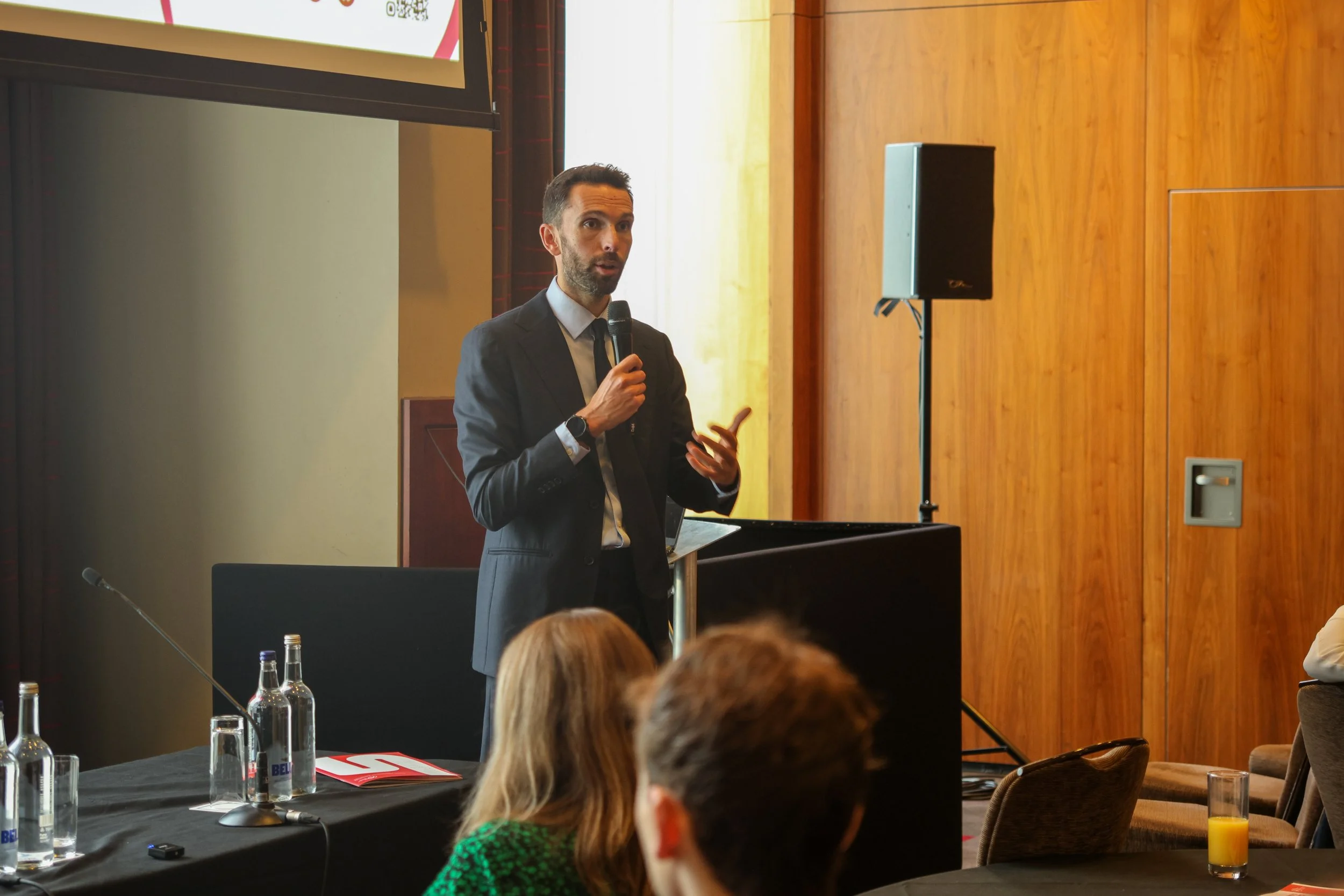
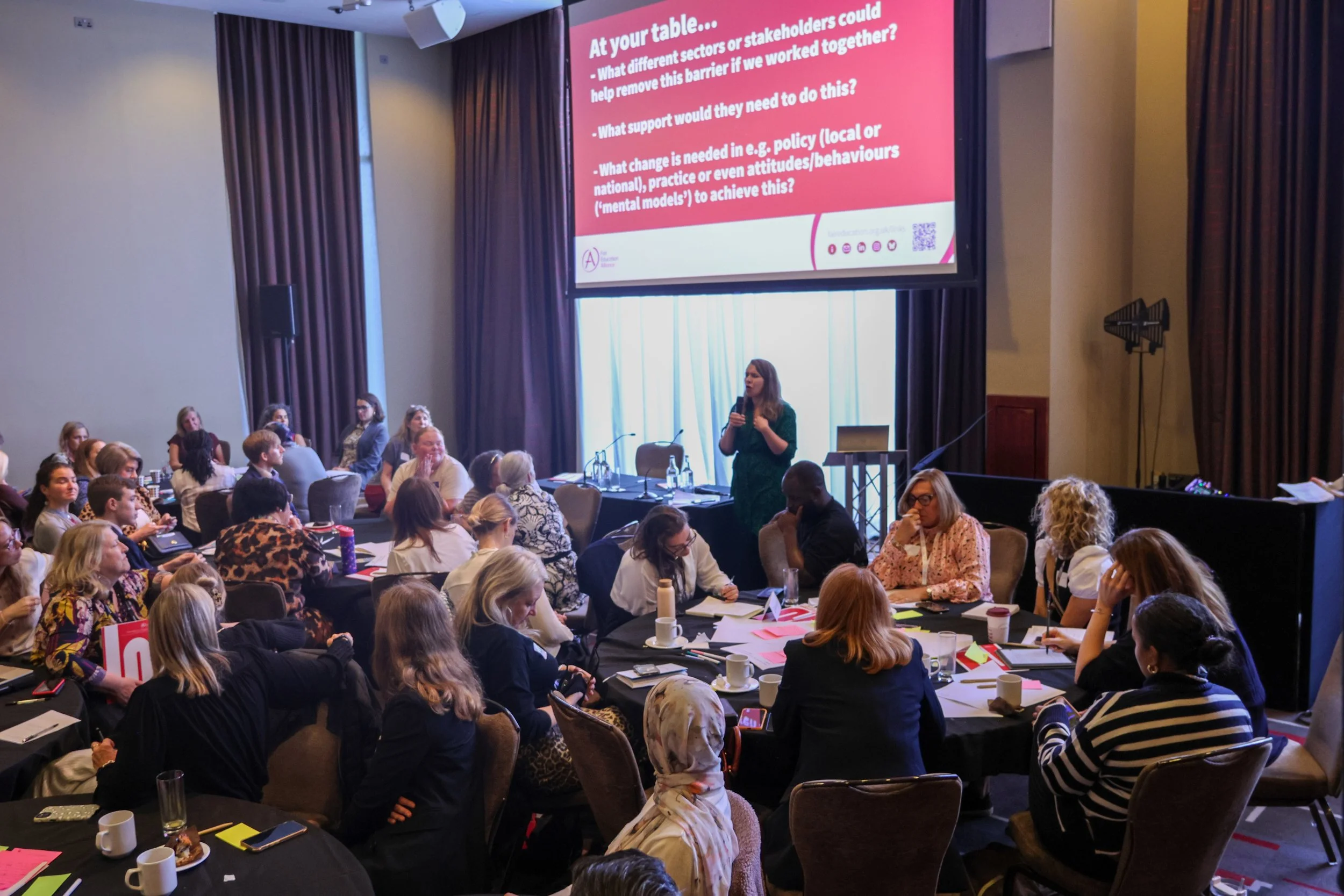
Dedicated sessions focused on Common Outcomes and strengths-based approaches.
Growing alignment across organisations working with families and young children.
This work has helped establish a shared direction and a strong foundation for collective action.
What’s next – and how to get involved
The next phase of the collaboration focuses on turning shared outcomes into action.
Coming up:
Collaborative activity focused on parental wellbeing as a root cause of inequity in children's development at 5 and creating the community conditions for all families to thrive
Further work to embed Common Outcomes in policy and practice
Continued policy influence linked to early childhood and family support
Opportunities to connect early childhood work with place-based partnerships
Get involved:
Register to take part in the Early Childhood thematic collaboration as an FEA member
Share insight, evidence or practice from your organisation
Help shape collective advocacy and system change
Support the use of Common Outcomes across early childhood systems
Early Childhood: Place-based Collaboration Partnerships
Liverpool City Region - Working together to give every child the best start in life.
This partnership focuses on Early Childhood – ensuring every child is supported to thrive from birth through to starting school. But the ambition is broader: to join up education, skills, employment, health and family support from early years onwards, building strong foundations for life.