Local elections, devolution and what it means for educational equity
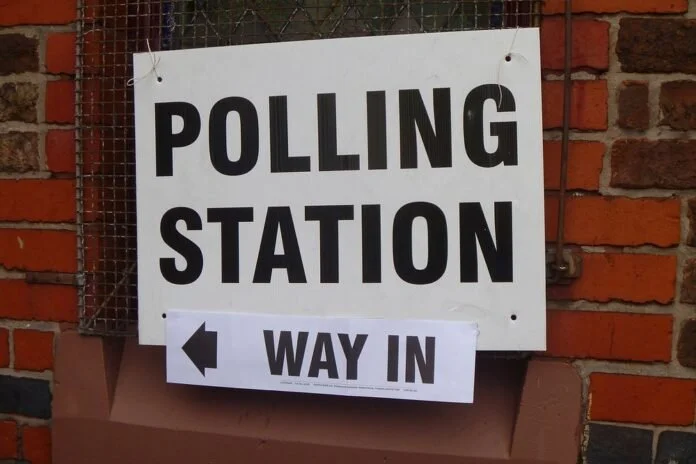
The local government elections were a significant political moment.
Much of the coverage focused on what the results meant for the Labour leadership in Westminster. But just as important – for those of us working on educational equity - is what the results mean for how England is governed locally, and how that shapes the work happening on the ground.
The results offer further evidence that England’s political system is shifting. Polling over the past 12–18 months has consistently suggested that England is moving towards a five-party system. Under first past the post, that fragmentation can produce unpredictable results, more varied outcomes, and in some cases unusual coalitions where no party has overall control. Although many councils only had a third of seats up for election, 44 of the 136 councils holding elections changed control.
Analysis from the Institute for Government suggests this could have major implications for the governance of Mayoral Strategic Authorities, making them harder to run. It points to the North East, West Midlands and West Yorkshire as places where political fragmentation has changed the political parties now participating in local authorities. Birmingham is a particularly striking example, with five parties now holding at least 12 seats on the council. The Institute for Government argues that this will make governing harder, but not impossible, and that mayors will need to adapt their approach to get things done.
This is playing out alongside a broader structural shift. The recent passing of the English Devolution and Community Empowerment Act 2026 marks a change in how power and responsibility are distributed across England. As decision-making moves closer to communities, the stakes of getting local governance right – and the implications of political fragmentation – have never been greater.
So what might this mean for our work?
What’s clear is that some areas of our work are likely to feel the effects sooner than others – and we’re keen to understand what that looks like in practice. Local government plays a significant role in the delivery of early years' support through strategy, funding and commissioning for public health, Family Hubs and early childhood education and care – and changes in council control can shift the landscape for organisations working in this space. At strategic authority level, more fragmented governance could affect the coherence and ambition of approaches to reducing NEET rates and improving post-16 outcomes.
But the full implications will only become clear as things unfold locally – and this is where your knowledge matters. Across our membership you hold a wide range of experience and expertise, and we want to draw on that collective intelligence to better understand what these changes mean in practice.
We’d love to hear from you. What are you noticing in your area? Have the elections already changed anything about how you’re working, who you’re working with, or what’s possible? We’re interested in barriers and opportunities alike – including positive stories as well as new challenges.
Please share your thoughts by emailing tsymons@faireducation.org.uk by 26 June. And if you’d prefer to share what you’re seeing as part of a group conversation, we’d be happy to arrange that too – just let us know when you get in touch. We’ll pull together what we hear in July and share it back with members.
We’ll also be exploring these themes at our next Policy Insights Group meeting on 23rd June, where we’ll be looking at the policies shaping place-based approaches – including Neighbourhood Health, the Better Futures Fund, and Pride of Place. We’ll dig into the current state of place-based policy, where the biggest opportunities lie for educational equity, and where there is scope for further influence.
Our Policy Insights Group is for anyone in our membership who would like to know more about policy and the art of influencing. You don’t need to have attended a session before, and no prior knowledge or experience of policy influencing is needed. If you’re interested in finding out more, please register here.