
Earlier this month, Youth Steering Group members Osob, Evie, and Yazz spoke on panels at the 2026 Festival of Education. The event brought together 500 speakers and more than 6000 attendees from the education sector to discuss key issues, develop important knowledge, and make new connections. Read on to learn more about the experience of our Youth Steering Group members!
“On the 2 and 3 of July, we as the Youth Steering Group attended the renowned Festival of Education at Wellington College. Representing young people on a national scale was a true privilege, one we did not take lightly. From Osob’s discussions on the need to expand digital literacy with AQA and their Student Advisory Group, to a full capacity panel on how language is vital for breaking down socioeconomic barriers; from Evie’s analysis of the SEND Reforms on the Schools White Paper, sharing personal experiences with Department for Education panellists; to Yazz’s exchange on Alternative Provision, highlighting what works and what doesn't - every session left a meaningful impression on the audience. All the discussions brought a vital platform for youth voice, a way to connect us young people to those in power. This blog outlines what exactly we got up to, our favourite moments, and the impression we hoped we left over the course of the two-day event.” - Evie
Osob:
I had the pleasure of speaking on two panels, both ranging from digital literacy to inequality within education. My first panel on digital literacy was amazing as the panel was made up entirely of young students, all of whom use social media/technology constantly, so we were able to have a wide range of opinions on digital literacy learning in schools and whether it’s been effective. My second panel was on the label ‘disadvantaged’ and why it’s a negative and outdated term to describe students. This panel was made of teachers and head teachers, so it was lovely to hear about social inequality from the perspective of a student and of a member of staff. What we took away from that panel was that it isn’t enough to just acknowledge a student’s background, but that we must listen to students and work on challenging their backgrounds to ensure that they achieve the most from schools.
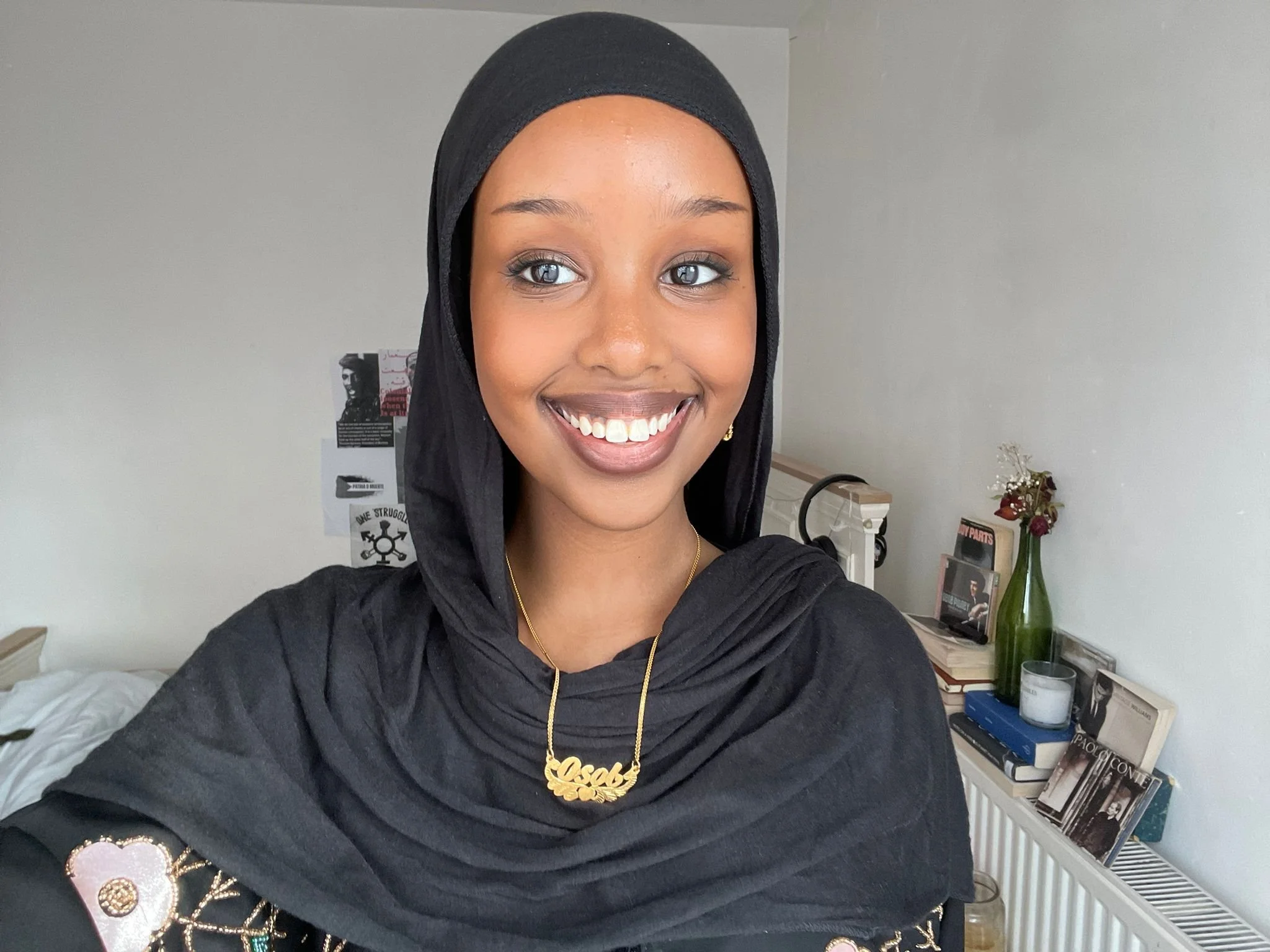
Youth Steering Group member Osob
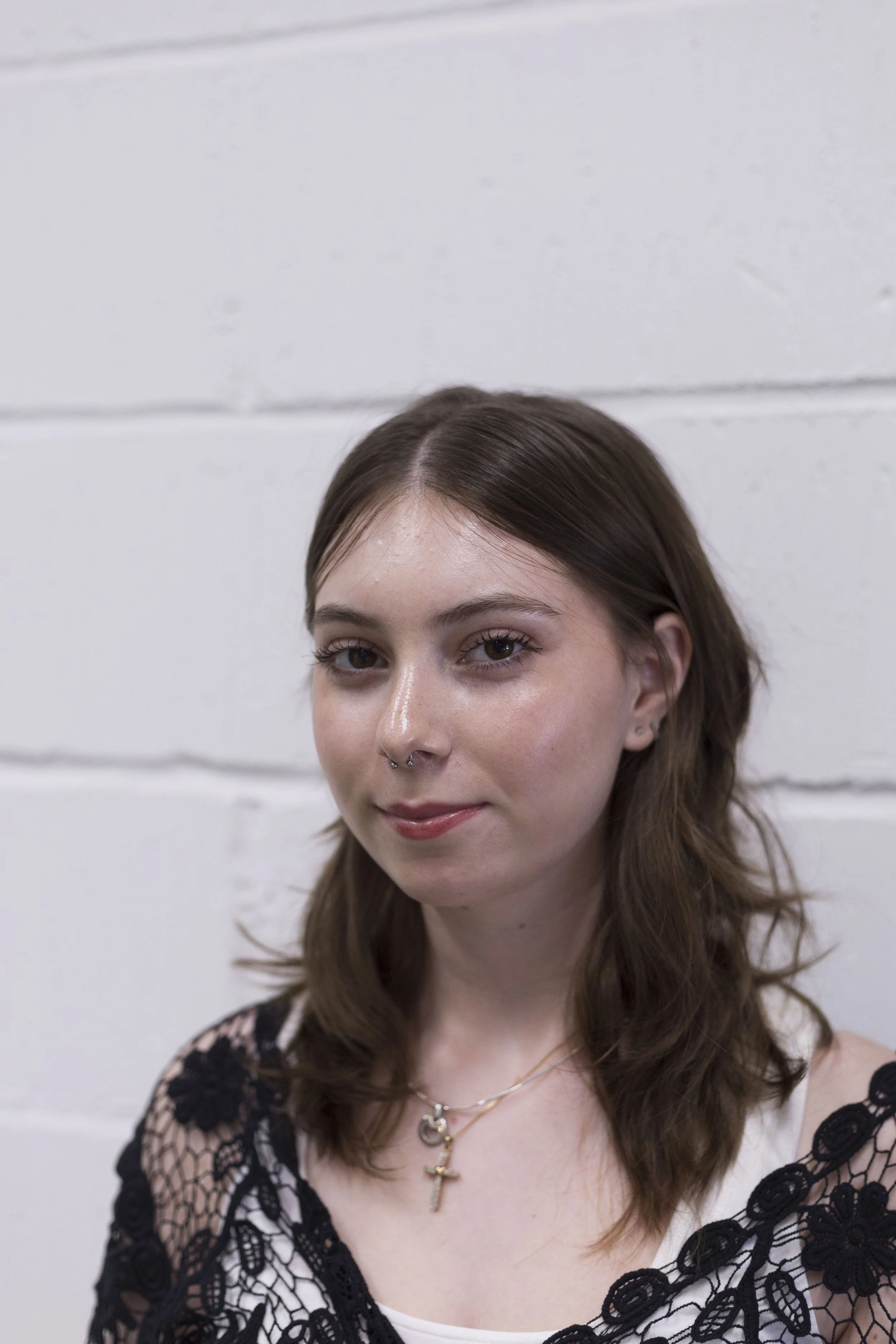
Youth Steering Group member Evie
Evie:
In the morning, I had the pleasure of being a part of the panel ‘2026 SEND Reforms: Where Are We Now?’. Chaired by the wonderful Dr Anne Heavey, I got to share my experience of being an autistic young person in mainstream schools, using it as a backing to uphold or critique the current proposals. After analysing the White Paper, I deemed there were three major areas in need of discussion.
Firstly, the proposed £200 million towards SEND Training for all teachers. I completely supported this proposal but questioned whether charities and young people would continue to be involved in its creation. Second, Inclusion Bases: as noted in the paper, the term is set to replace ‘SEN Unit’; however, we need more than that (a name change) for real change. Finally, Individual Support Plans (ISPs), where I highlighted fears regarding the lack of legal protections, overreliance on schools, and putting students' needs into boxes.
Joined by Claire Burton of the Department for Education, Dame Christine Lenehan, Conrad Bourne of the Mercian Trust, and Sabrina Hobbs of the Esteem Multi Academy Trust, it was an honour to be part of such a prestigious panel.
Yazz:
Youth Steering Group member Yazz joined panellists from across Alternative Provision and Specialist Schools to discuss how mainstream education can learn from them, in the panel titled ‘Making mainstream a bit more alternative: lessons from Specialist and AP.’ The panel focused on techniques mainstream schools can implement to become more inclusive for young people with SEND and enable them to flourish. A key takeaway from the panel was the importance of speaking to students and families about their experience, keeping them at the forefront of decision-making. Yazz shared her experience as a deaf student and what worked for her in school, ending the panel with an important question for attendees to consider: ‘Does the support that you are giving the student help them to participate on an equal basis with others, whilst preserving their independence, their confidence, and their sense of belonging?’
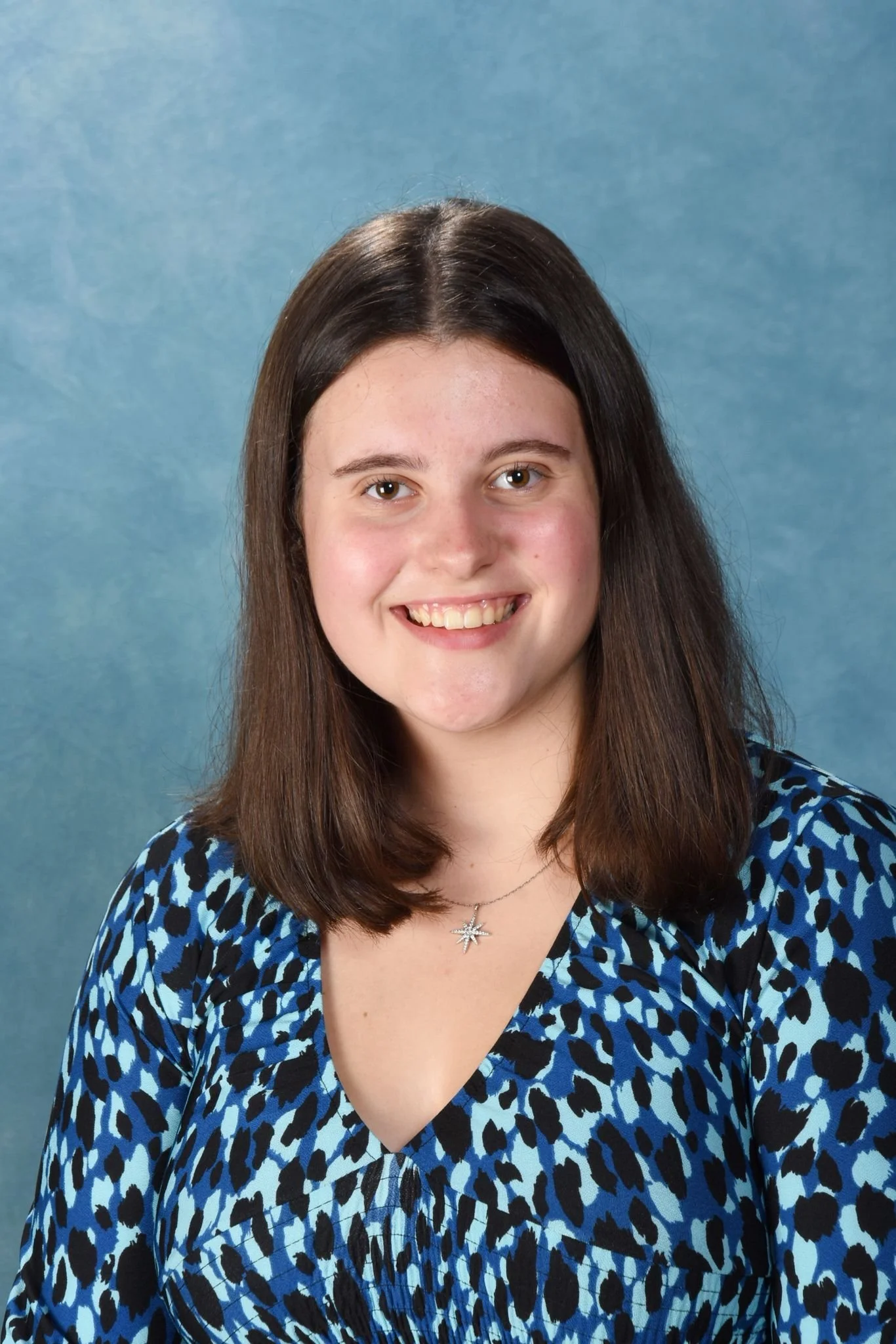
Youth Steering Group member Yazz
“To conclude, our two days were full of sun, walking and conversations about creating change - from Evie’s key points on the White Paper to Yazz’s insight on inclusion in schools. The festival was a reminder of the steps that changemakers across education are taking to tackle educational inequity and make sure school works for everyone.”
- Osob