
Pebbles of possibility: reflections on the Literacy Link Annual Gathering 2026
The Literacy Link is the FEA’s literacy thematic collaboration. This blog is written by guest author, Julie Taylor, Education Lead at The Children’s Literacy Charity, who is a member of its steering group.
Literacy organisations from across the sector came together at the British Library for the second Literacy Link Annual Gathering, bringing with them a sense of energy, openness and shared purpose. There was a noticeable warmth in the room, a sense that this is a space where connections are not only made but built upon.
From the outset, the day created momentum: ideas were shared freely, conversations sparked and a collective focus began to take shape. What emerged was not just discussion, but the beginnings of something more intentional - a co-creation of a shared strategy and a stronger, more connected literacy ecosystem.
The National Year of Reading 2026 is galvanising the Literacy Link into the next phase with clear ambition: to leave the literacy sector stronger, more aligned and better equipped by the end of the year. Underpinning this is the shared vision that ‘Every child is a reader’ - with the access, opportunity, skill and motivation that this requires.
The conversations combined energy with a clear focus on action. A consistent message emerged: work differently, check what already exists before starting something new, connect where there is shared purpose, and collaborate to build partnerships that are stronger and more effective. Above all, the Gathering felt collaborative and forward-looking, grounded in the belief that the impact we can have together is far greater than anything we achieve alone.
Amid rising needs, constrained funding and stretched capacity, the day highlighted a shared understanding- that collaboration matters, and working collectively is key to meeting the challenges ahead.
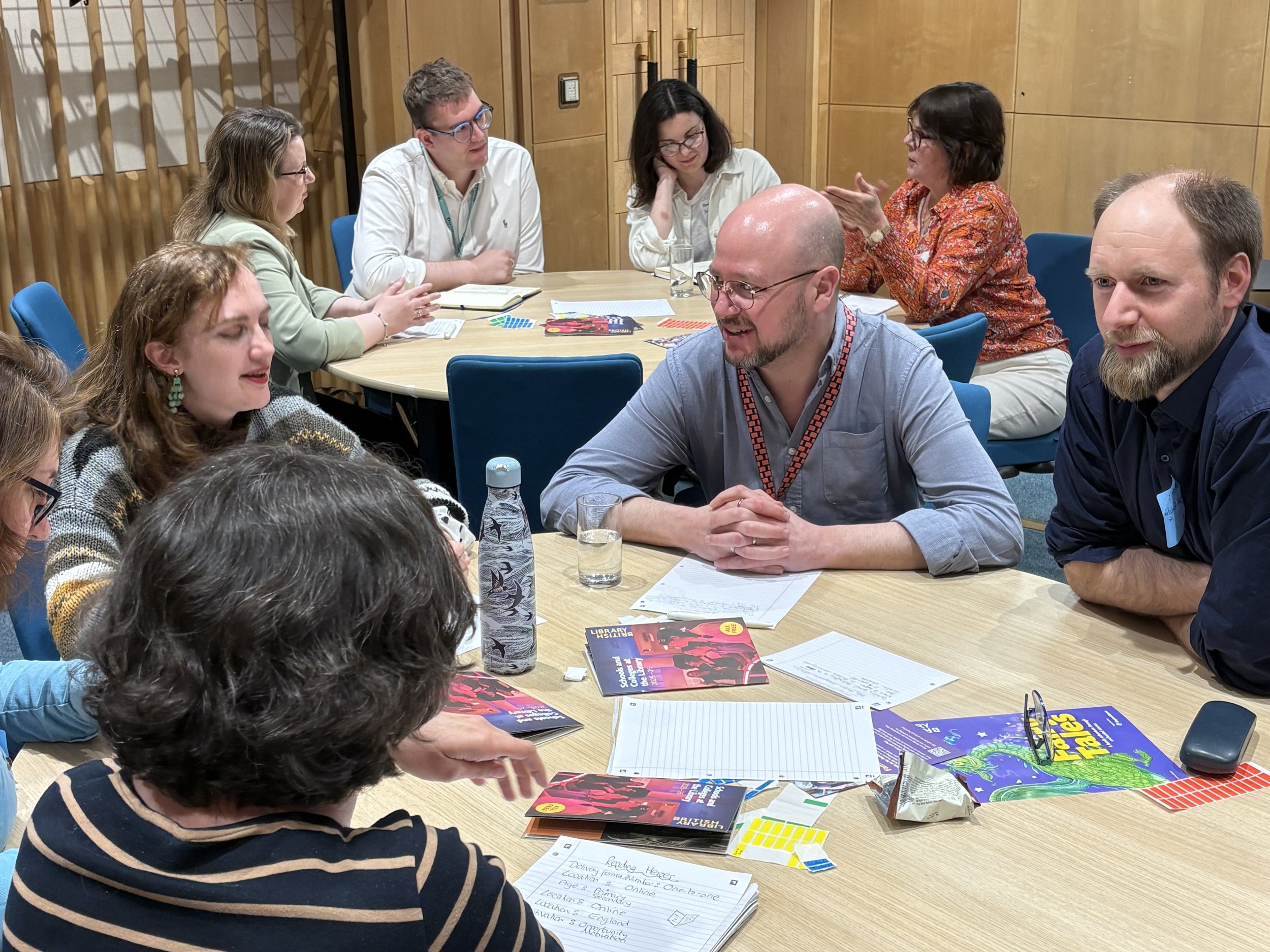
Attendees engaging in workshops at the Literacy Link Annual Gathering
Sam Matthews, Head of Delivery and Impact at Pilotlight, opened the day with a challenge that struck a chord across the room. Rising demands and diminishing funding are a shared reality. The result is a familiar and frustrating cycle: mounting pressure reduces capacity which in turn leaves more needs unmet. Sam described this as the “delivery trap” - a pattern that limits even the most effective organisations. She made a compelling case that no single organisation, however strong, can break free from it in isolation.
Sam distinguished clearly between expanding services and changing the system: doing more, however well, does not necessarily address the conditions that keep the problems in place. True system change depends on investing in leadership and infrastructure, building shared evidence and measurement and above all, a shift from individual resilience to collective resilience.
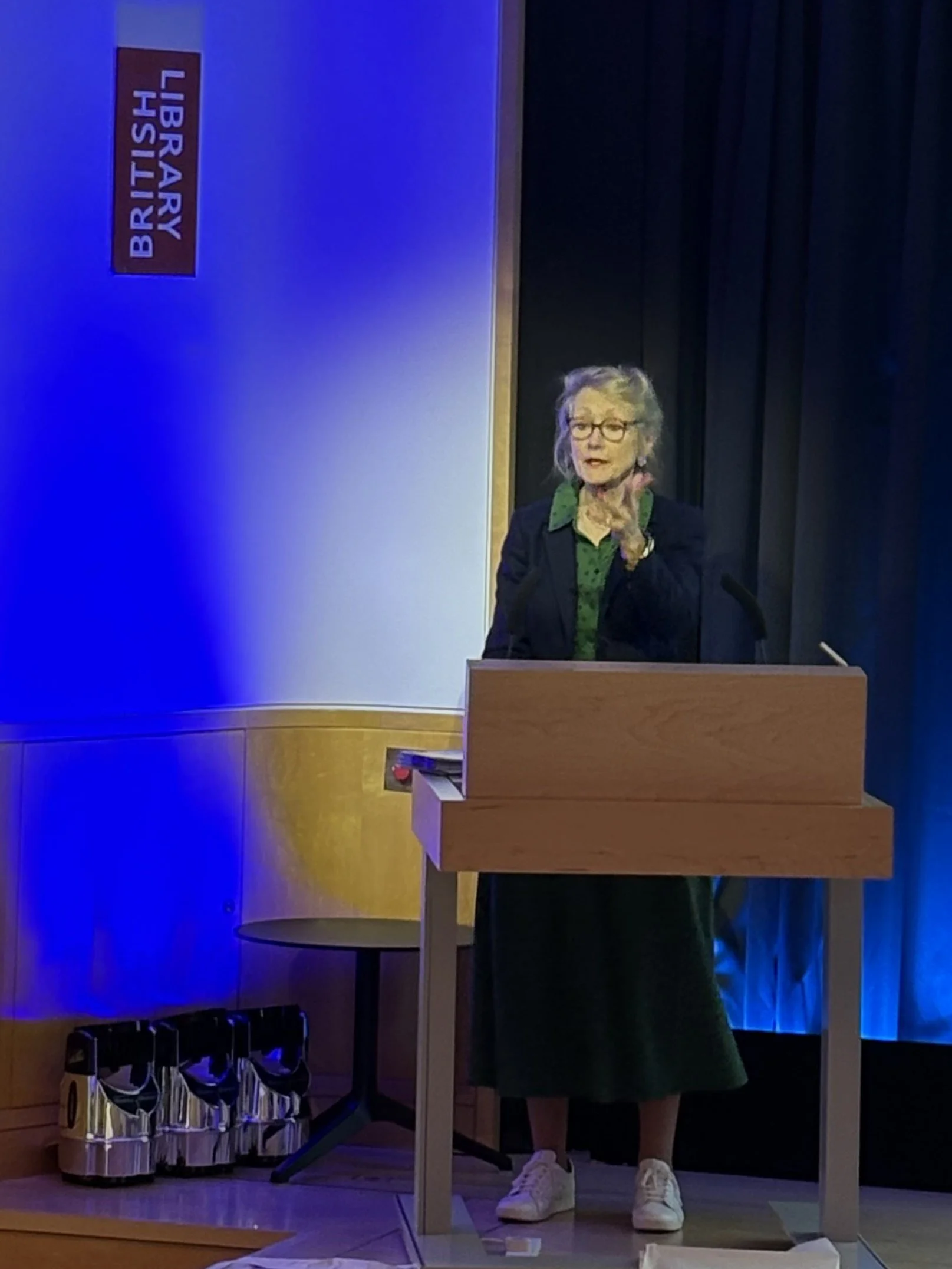
Teresa Cremin CBE speaking at the Literacy Link Annual Gathering
A beautiful, moving reading of Lubna and the Pebble led seamlessly into an outstanding presentation from Professor Teresa Cremin CBE of the Open University. It was a powerful and fitting finale to an already inspiring day. Teresa’s framing of the ‘Literacy Link’ as “pebbles of possibility” extended far beyond metaphor. She positioned collaboration not as an optional extra, but as the force that transforms individual efforts into collective momentum. A single pebble creates ripples, but when many are cast together, those ripples intersect, build, and amplify, creating something potentially far more dynamic and far-reaching.
The Gathering itself reflected this idea clearly. Each organisation is already making a meaningful difference, yet Teresa challenged us to recognise that our greatest impact lies in what we achieve together. Through collaboration, our work extends further, reaches more schools, children, teachers and communities, shaping outcomes in ways no single organisation could accomplish alone.
Crucially, Teresa reaffirmed the transformative power of reading - not only as the foundation of literacy attainment, but as a driver of wider curriculum success, personal agency, and wellbeing. Her message carried both inspiration and urgency: fostering deep engagement with reading is central to educational equity. In this context, every organisation in the room, regardless of its specific focus, is part of a collective effort that extends beyond individual aims, contributing to the wider pursuit of social justice through literacy.
What stood out at the Gathering was the sense of energy, possibility and shared purpose in the room. Organisations working with young people, in schools, libraries and community spaces, brought not just expertise, but a clear appetite to connect, collaborate and think beyond individual remits to create a literacy ecosystem that is sustainable and influential for the benefit of the children, young people and families we are all here to support. As organisations move from working in isolation, we are building something together that is more ambitious and far-reaching than any of us can achieve alone.
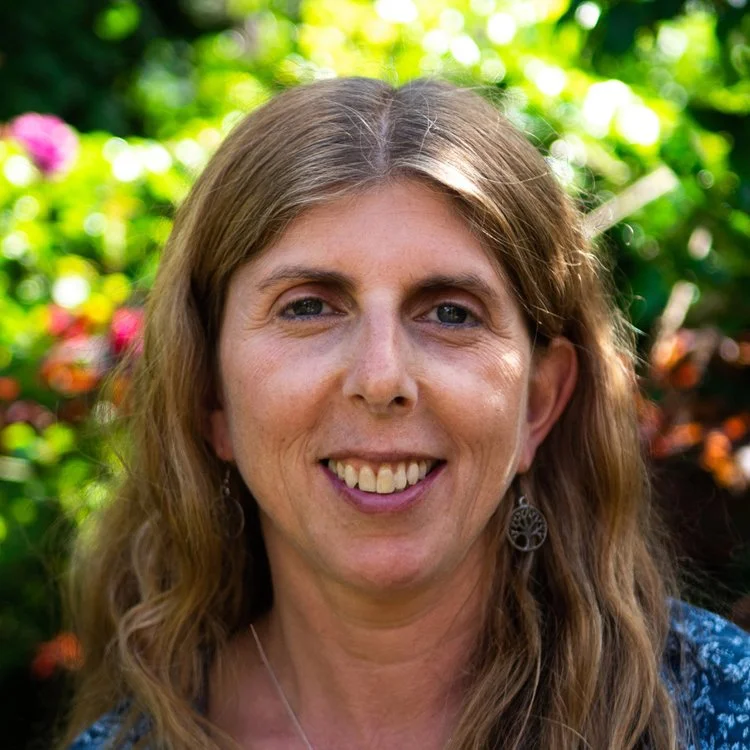
Julie Taylor - Education Lead, The Children’s Literacy Charity
The Children’s Literacy Charity provides specialist tuition for children from disadvantaged backgrounds, allowing those who are the most behind to catch up across all their literacy skills – reading, writing, comprehension, speaking and listening. They train their own expert tutors who work 1:1 and 1:3 in dedicated Literacy and Reading Lab spaces in schools, supporting KS1, 2 & 3 children who are on average 15 months behind.
Children graduating from the Literacy Labs make 4.5 months of progress after one month of tuition and children attending a 10-week Reading Lab catch up programme make six months of progress. All children grow in confidence and resilience as well as engaging with learning and the joy of reading.
Rooted in the belief that early intervention is key, the goal of The Children’s Literacy Charity is to deliver life changing literacy skills to the children who need the most help, transforming lives and broadening horizons.
Find out more at www.thechildrensliteracycharity.org.uk.