
Israa shares reflections from My Maiden Speech 2026
Earlier this month, YSG Alumni Israa was invited to the Houses of Parliament to watch the My Maiden Speech 2026 showcase, having taken part in the programme herself in 2025. Led by FEA member Speakers Trust, the My Maiden Speech programme coaches young people in public speaking and speech writing, so they can have their voices heard on the subjects that matter to them. Read on for Israa's reflections one year on from her own speech at the House of Lords.
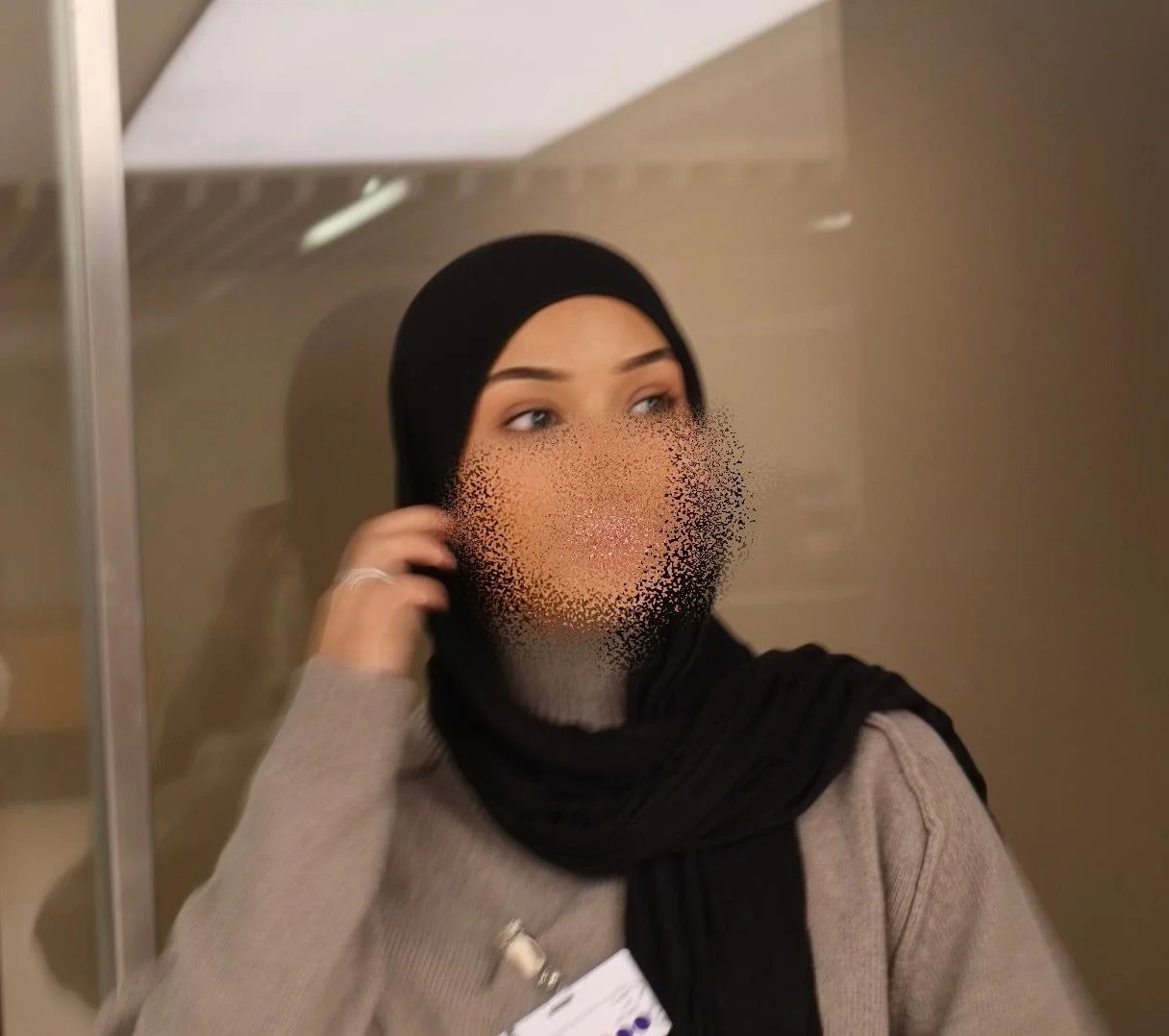
On 15 September, I returned to Parliament for the My Maiden Speech showcase, this time sitting in the audience rather than standing at the podium. Watching young people share their experiences and advocate for change in the House of Commons felt incredibly full circle.
In May 2025, I delivered my own Maiden Speech through the Speakers Trust programme, speaking about the urgent need for better mental health support in schools. Inspired by the tragic loss of Alex Henshaw, I called for schools to become places where young people feel seen, supported and understood. Looking back on that speech while listening to this year's speakers, I found myself reflecting not only on how far I have come, but also on what I might say differently now.
The speakers covered a wide range of issues affecting young people today. We heard powerful contributions on homelessness, care leavers, green spaces, violence towards migrants, disability inclusion, reproductive health, young carers, refugee rights, political representation, cancer awareness and the role of sport in supporting young people's wellbeing. Despite the diversity of topics, a common theme emerged throughout the day: the long-term impact of whether support is available when people need it most.
That theme resonated deeply with me.
When I delivered my speech in 2025, I was in a relatively good place mentally. Mental health is rarely straightforward. It fluctuates. There are periods where you feel capable, hopeful and able to manage life's challenges. There are other periods where even everyday tasks feel overwhelming.
If I were standing at that podium today, I think I would spend more time talking about what happens after young people leave school.
As a teenager, I struggled with my mental health and often felt unsupported. Today, as a young adult, some of those same challenges remain, but they show up differently. Many young adults are navigating an uncertain job market, rising living costs, long waiting lists for healthcare and increasing pressures on their wellbeing. For neurodivergent young people, including those with ADHD, these challenges can feel even more complex.
Reflecting on my own journey, I often wonder how different things might feel today if the right support had been available when I was in school. Not just support during moments of crisis, but the kind of support that teaches you how to recognise your needs, ask for help and develop coping strategies that last into adulthood.
Had those foundations been in place earlier, perhaps I would have found it easier to navigate difficult periods now. Perhaps I would have learned sooner that seeking support is a strength rather than a weakness.
Instead, like many people, I developed the habit of keeping things to myself. Over time, that becomes normal. As I've grown older, I've realised that this isn't just a challenge for young people. I see the same pattern in adults around me every day. Habits around mental health are often formed early and carried with us throughout our lives.
That is why I continue to believe that mental health support in schools matters so much. It is not only about helping a young person get through a difficult week or exam season. It is about equipping them with the tools, confidence and resilience they will need long after they leave the classroom.
There has been progress. Mental Health Support Teams are being expanded across England, with government plans aiming for nationwide coverage by 2029/30. Yet many young people still face barriers to accessing support, and too many continue to struggle in silence.
Leaving Parliament on 15 September, I felt hopeful. Not because all these issues have been solved, but because of the young people who continue to speak up about them. Every speaker brought lived experience, insight and a determination to make things better for those who come after them.
Months after finding my own voice through My Maiden Speech, I had the privilege of watching others find theirs too. That was what made the day feel so full circle. It reminded me that change happens when young people continue to tell their stories, challenge systems and ensure that their experiences are heard.
And if there's one thing I would add to my speech now, it's this: mental health support in schools is not only about helping young people today. It's about shaping healthier adults tomorrow.