
Brighton Aldridge Community Academy (BACA), part of FEA member Aldridge Education, features in our 2026 Report Card as a case study in joining up education, skills and employment, one of our priorities for Government.
In this blog, Principal Jack Davies shares how they went from special measures to ensuring every school leaver, 60% of whom are eligible for pupil premium, has a clear destination.
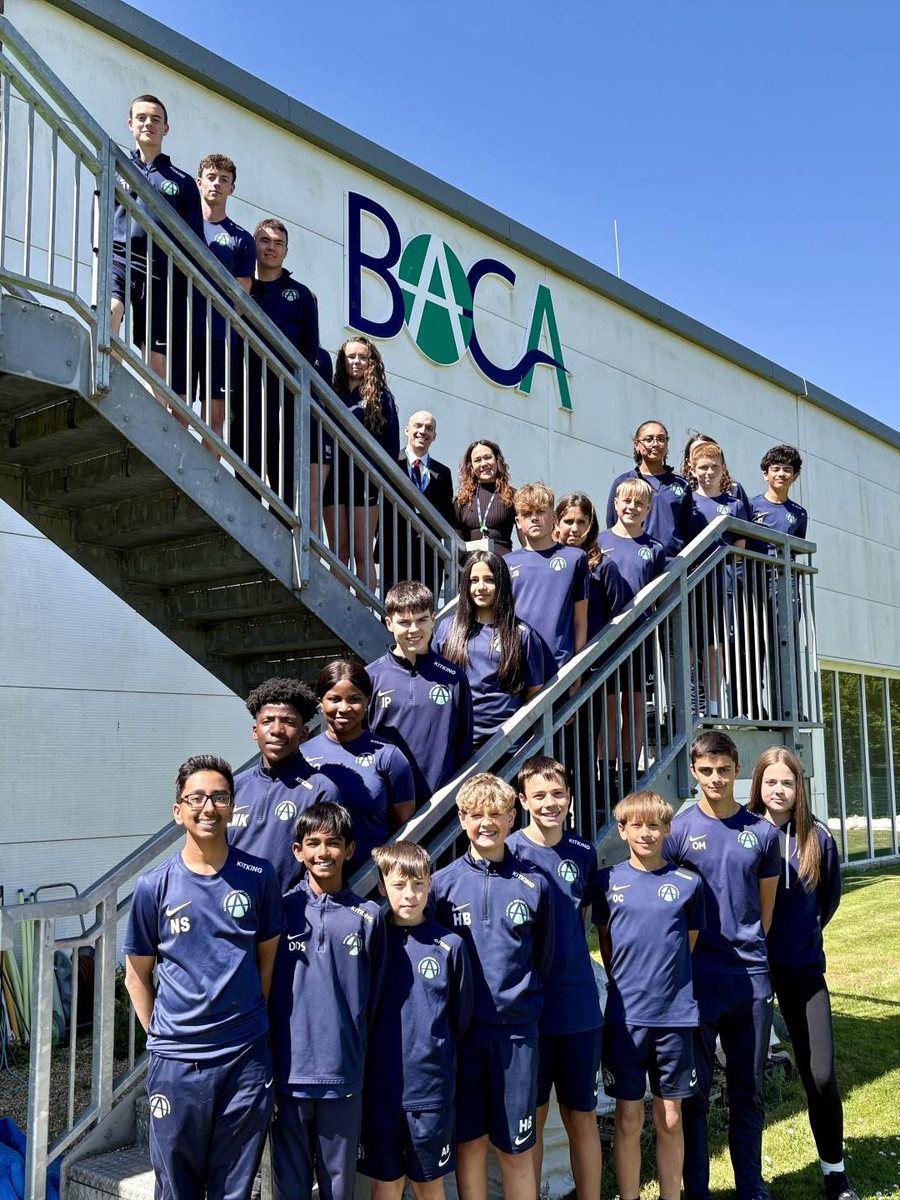
Students at Brighton Aldridge Community Academy
The Prime Minister has pledged to 'value the hard hat as much as the graduation cap'. This is an approach we have adopted at BACA, the secondary school I am proud to lead. We know that equity is what our pupils need to thrive, not just equality: support that is tailored to their needs and interests, rather than a one-size-fits-all approach.
Four years ago, our academy was placed in special measures. Pupil numbers were falling, attendance was poor and, most concerningly, students told us they did not feel safe at school. Our mission statement is to tackle educational disparities between social classes and improve social mobility: clearly, something needed to change to meet this aim.
We serve a community that is very different from the surrounding area of Brighton. 60% of our pupils are eligible for pupil premium, 35% have special educational needs and disabilities (SEND), and 10% have education, health and care plans (EHCPs). Nationally, that means you’d expect a significant number to be NEET (not in education, employment or training) when they leave school.
Last year, every one of our school leavers entered employment, education or training. Here’s how we changed things to make that happen, raising attainment, attendance and our Ofsted rating in the process.
The first step was to listen to what our students wanted. They told me they wanted to learn vocational and technical skills that were suited to their talents and local context, not just traditional academic subjects. They wanted a range of extracurricular activities, like sport. And they wanted to feel challenged but also to be excited to come to school.
Now, we have three purpose-built construction spaces, teaching everything from plumbing and carpentry, to bricklaying and tiling. This suits both our students’ interests and the careers market: local employers support pupils with work experience from day one of their courses, undertaken weekly during the school day.
We’ve also made sport a central part of our school identity. We regularly compete at national level in football and cricket and have strong links with Brighton & Hove Albion F.C. and Sussex Cricket Club.
These measures have raised attainment: students in our sporting academies achieve two grades higher than their peers, for example. But this wasn’t the goal, and a narrow focus on attainment misses the point. For many of our students, success looks like an apprenticeship or job with a local firm, not just a Grade 4 in Maths, which crude measures like Progress 8 miss.
There are signs of change: the Prime Minister has said he’ll change Ofsted inspections to recognise the quality of technical education, and the upcoming Milburn Review’s recommendations could improve opportunities for our students. I hope they will look to schools like ours for inspiration.

Jack Davies
Principal
Brighton Aldridge Community Academy