
Our 2026 Ecosystem Map is now live. Thank you to every member who shared their data and helped make it possible.
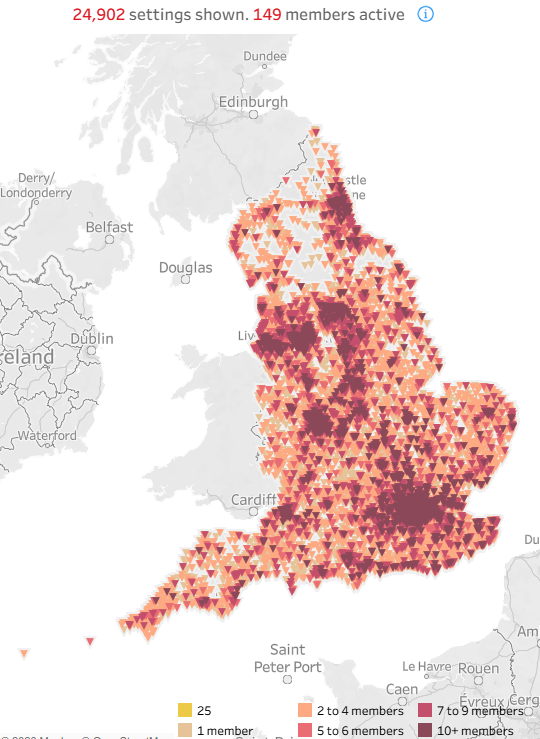
With data from 149 delivery members of the Fair Education Alliance, the Map brings together over 80k partnerships across England. It is a practical tool to help you find collaborators, target the areas of greatest need, and strengthen the evidence behind your work. As an FEA member, you have exclusive access to the Ecosystem Map.
By combining national level data on attainment and deprivation with information about where members work, the map provides the most complete picture yet of the breadth of the Alliance, who member organisations partner with and where children and young people from low-income households need your support the most.
What the 2026 Map shows: Our Collective Reach
The Ecosystem Map brings together eight measures of educational need and data from 149 FEA members. It shows:
83,200 partnerships in total, reaching around 22,200 education settings from nurseries to sixth forms.
Nine in 10 state-funded schools and settings in England have an FEA member partnership.
This rises to almost all (97%) where more than half of pupils are eligible for free school meals.
More than 2,700 partnerships beyond schools, reflecting the breadth of members’ work with other organisations.
From Neighbourhood to National
The Ecosystem Map supports every strand of our strategy:
Collective Voice: grounding our policy work, including the Report Card 2026, in real-world data from members.
Collective Action: connecting organisations locally, across our place-based partnerships and thematic collaborations.
Collective Strength: giving you the tools and insight to grow your impact.
How you can use the Ecosystem Map
Find partners near you. In some schools, there are 25 members working concurrently. By joining up, you’ll ensure that your support is informed by the insight of other members, and that your work has the greatest impact for children and young people.
Target your work where need is greatest. There are still more than 2,000 state-funded settings with no recorded FEA member partnerships yet. These are a starting point for exploring where we could reach next, together. You can also identify schools and communities in specific income-deprived areas with little or no support.
Strengthen your funding bids and policy asks. Use the data to evidence need in your area and show that your work is part of a coalition reaching 97% of settings where more than half of pupils are eligible for free school meals.
