
Fair Education Report Card 2026
Systems for a fairer future, from Neighbourhood to National
Our Fair Education Report Card 2026: Systems for a fairer future, from Neighbourhood to National, launches today.
The Report Card sets out where progress has been made towards our five Impact Goals, where urgent challenges remain, and our policy asks to government to ensure that no child’s success is limited by their socioeconomic background.
This year’s Report Card shows that the gaps in outcomes between children from low-income households and their peers are still not meaningfully closing:
At age five, the development gap has widened to 4.9 months.
By the end of primary school, the attainment gap is 10 months.
By the end of secondary school, it has widened to 19 months and will never close on its current trajectory.
Children and young people growing up in households in financial strain are nearly twice as likely to have low life satisfaction.
Young people from low-income households are twice as likely to be NEET as their better-off peers.
These gaps are shaped by poverty, health, family support and employment, yet efforts to close them have leaned too heavily on individual institutions and isolated programmes. Isolated effort cannot overcome barriers that are reinforced right across the system.
Local, regional and national government must work hand in hand, connecting national policy with local insight and sharing learning within and across places so that progress can spread without duplication. National government must match ambition with long-term investment, joining up policy across education, health, employment and communities.
That’s why our Fair Education Report Card 2026 sets out 37 recommendations for government across three priorities: making schools part of connected communities, joining up education, skills and employment, and building a village around every child.
Report Card 2026: Case Studies
-

The Brilliant Club - Parent Power
Priority: Schools as part of connected communities.
Parents and carers are the single most influential factor on a child’s future outcomes. However, their voices are often left out of systems that support children and young people. To bring families to the table – especially those who have fractured trust with public services – those delivering public and third-sector services must begin by building relationships.
Parent Power, an initiative by FEA member The Brilliant Club, is doing just that – and getting real results. Through its Parent Power chapters, The Brilliant Club works with parents from underserved communities where access to higher education is historically low – helping them build relationships, share experiences and advocate for change.
Parent Power is rooted in relational community organising, a values-based methodology for creating social change that focuses on building strong relationships with and between local people, leading to community-led solutions to local issues. In each Parent Power chapter, there is a trained community organiser conducting one-to-one conversations with parents and working with them in group meetings to plan campaign actions. Parent-led campaigns across the 16 chapters seek to improve issues such as rural connectivity, work experience opportunities and access to mental health support. The aim is to build enough relational power to create change on these issues, with parents leading the way.
In the Fenland chapter, parents raised the lack of transport options for their children as the fundamental issue limiting opportunity in the region. Fenland parents have successfully campaigned to build a cycle lane in their local area which will allow young people to access a train station, opening a new world of extracurricular and work experience opportunities.
There are three key lessons from Parent Power for schools, which will need to meet new ‘minimum expectations’ for parental engagement:
1. Engage in active listening: For many parents Parent Power works with, the programme is often the first time they have had the opportunity to share their views and feel that their voices matter. By listening actively and establishing reciprocal relationships with parents, schools can consult with parents to best represent the needs of the local community.
2. Be intentional about bonding and bridging relationships: The community organising process builds bonding relationships between people within a community, but it also builds long-term relationships between institutions and the communities they serve. Effective educational organising builds both types of relationship: relationships between parents, teachers and decision-makers, and relationships between institutions and the communities they serve. It also considers how they are sustained.
3. Build the capacity for action to increase belonging: Building capacity with parents improves the sense of belonging for families. While there are growing examples of this approach in the UK, we need to see this become standard practice across the UK to improve outcomes for young people
-
Brighton Aldridge Community Academy
Priority: Joined-up policy to prepare young people for the Jobs of Tomorrow.
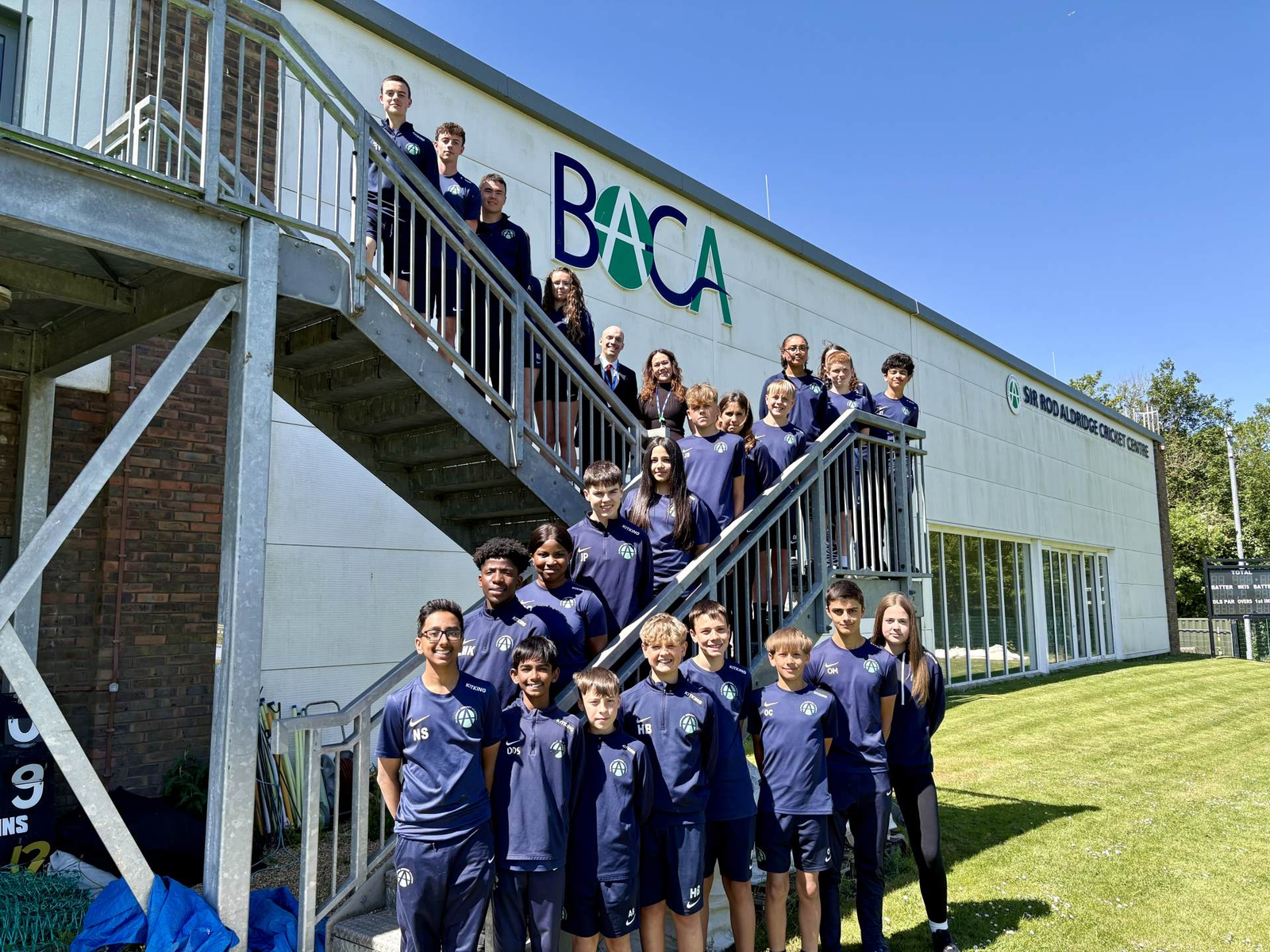
Just four years ago, FEA member Brighton Aldridge Community Academy (BACA) was placed in special measures. It had falling rolls and poor attendance, with many pupils reporting that they did not feel safe in school. Since then, under the leadership of Principal Jack Davies, it has completely overhauled its curriculum – and has also driven up its attendance and results.
Last year, except for those pupils who were electively home educated, 100% of leavers entered education, employment or training. This is particularly notable because 60% of BACA’s student population are eligible for the Pupil Premium, 35% have SEND and 10% have education, health and care plans (EHCPs). Nationally, around 11% of school leavers eligible for the Pupil Premium, 7% with SEND but not an EHCP and 20% with EHCPs are NEET upon leaving school.
This turnaround has been underpinned by huge investments in activities that were not overtly targeted at improving attainment or attendance. When the school community said they were interested in learning trades, that is what BACA supported – despite the fact that Ofsted incentivises investing in academic results. BACA now has three purpose-built construction spaces, teaching plumbing, carpentry and multi-trades such as bricklaying and tiling. This full construction academy within the school has provided both aspiration and skills – particularly for those students at greatest risk of leaving school without passing GCSEs. The school is also aligned with a number of local companies who provide opportunities in the workplace, so students get real-life experience from day one of being on courses. BACA is already starting to see alumni employing current students, building a virtuous cycle in the community.
The improvement in BACA’s GCSEs has been a welcome result of this programme – but they were not the objective. Principal Jack Davies said, “We are determined to provide a service of equity, not just equality and this cannot always be measured by national driving measurements such as Progress 8. Vocational and technical pathways provide an accessible and direct trajectory into working industries that are not only rising in prominence at a national level, but are also incredibly suited to the needs and trends of our local environment.”
In addition to investing in skills, BACA has also made sport a core part of its school identity. Its sporting academy provision, which focuses mainly on cricket and football, provides students with high-level coaching throughout the school day, which in turn leads to the school competing at a national level. This investment has also paid off academically – students in BACA’s sporting academies have achieved an average of two grades higher than peers at the same level.
These successes are down to BACA targeting investment to what its community wants and needs, with school leaders informed by regular student voice sessions. Parent and pupil surveys demonstrate that the school’s most important stakeholders feel confident and a strong sense of belonging in BACA, which previously had not existed.
However, national educational priorities do not tend to favour this level of tailoring, and Davies warns that attempting to apply a ‘one-size-fits-all’ approach to schooling poses a barrier to schools differentiating for the wide variety of needs that their student demographics present. He said, “Do we want to be in line with national averages for outcomes - of course we do. Do we strive for educational excellence - 100% of the time? Do we understand that not every young person will thrive in an academic examination-based system - we must, if we are to serve our community with utmost sincerity and to the best of our ability!”
-
Babyzone
Priority: Build a village around every child.
Young families often face barriers accessing statutory services, especially GPs and health visitors. Early years activities can be hard to access, or prohibitively expensive, in particular for families in deprived areas. Some parents and caregivers also have to contend with isolation, poor mental health and stigma when accessing services. Just when young families need support the most, they find public services too difficult to engage with.
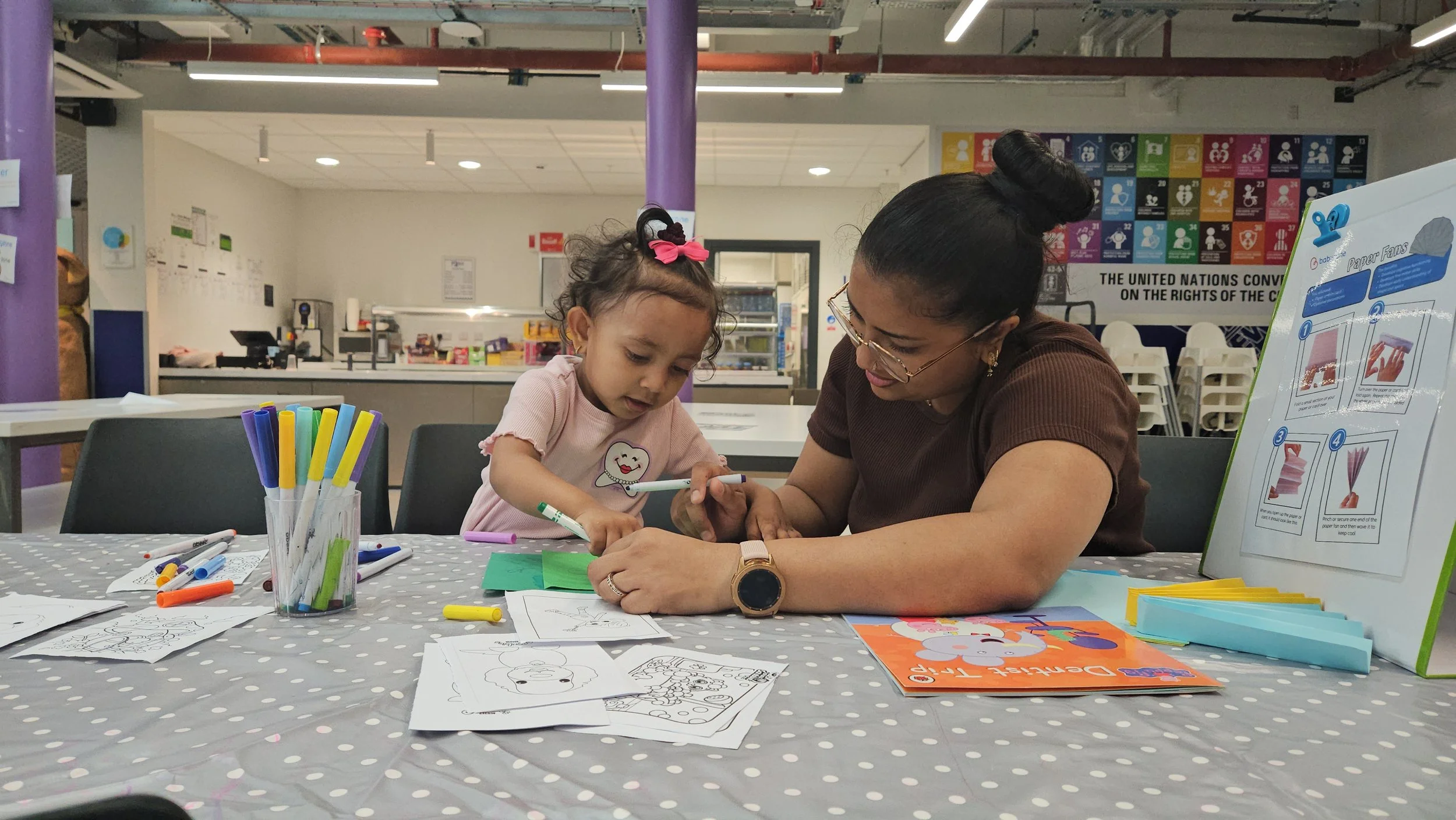
FEA member Babyzone is an early years charity that is responding directly to this challenge. Babyzone provides free weekly hubs in 11 neighbourhoods for families with children from birth to age five across England, Scotland and Wales. Its model is a “one-stop shop”, bringing together early years activities such as baby massage, sensory play and movement classes alongside statutory services like health visitors, mental health support, midwifery teams and vaccination clinics in one welcoming space, usually based in a Youth Zone.
A key feature of Babyzone’s approach is that it is as barrier-free as possible. Families only need to provide minimal information to attend. This approach has proved effective: 74% of families who visit Babyzones live in the 30% most deprived areas of the UK, and Babyzone has recorded over 100,000 visits, including 17,000 in the first six months of 2026.
Babyzone’s work is based on the belief that parents are a child’s first educator. Its theory of change, informed by Bandura’s self-efficacy framework, focuses on building parental confidence and connection, because stronger parental confidence improves the home learning environment, which in turn supports children’s development and school readiness. The charity measures this through its Parent Confidence Index.
The organisation tailors each hub to its local community. Before opening in a new area, Babyzone undertakes community consultation and analyses local deprivation data to understand what families need and what services already exist. It then builds the hub’s offer in partnership with 300+ local and national organisations, aiming to fill gaps rather than duplicate provision.
Babyzone starts engaging families before a hub opens, using consultation and local data to shape services. Once open, it reaches families through social media, leaflets and trusted professionals such as health visitors and local authority partners. Engagement is built on consistency, warmth and trust, including weekly sessions and WhatsApp Community groups for ongoing communication.
Importantly, Babyzone sees families as partners, not passive recipients. It adapts its approach based on feedback, for example, switching from face-to-face research interviews to a QR code survey that parents could complete in their own time and in multiple languages. This increased participation in a study involving a highdeprivation cohort. The organisation has learned that early dropout is mostly linked to the challenge of being new, so it now gives extra support to new families during their first month.
Babyzone says the main challenge in connecting with health, education and other services is that these systems are under significant pressure. To address this, it makes partnership easy by offering a free venue, regular access to families and minimal bureaucracy. Rather than forcing alignment, Babyzone works through co-location, allowing statutory partners to keep their own processes while sharing access to families. It also avoids duplication by consulting communities and providers before launching in a new area.
Babyzone sees itself as a complement to, rather than a replacement for, the Government’s Best Start in Life and Family Hubs strategy. However, it differs in three main ways:
1. A genuinely open-door, drop-in model. There is no booking, no need to sign up to individual classes and no referral or eligibility process; families simply turn up and join in. This removes the planning and commitment that can deter the very families who would benefit most, and means a parent having a difficult week can still walk in without having reserved a place in advance.
2. Philanthropic funding and flexibility. Babyzone is largely philanthropically funded, which allows it to respond to community need at the speed families require rather than commissioning cycles, and reduces dependence on changing government funding streams.
3. An ongoing community, not just a weekly session. Babyzone’s offer extends beyond the hub itself. Each site runs an active WhatsApp community that keeps families connected between visits, and the wider offer, including webinars, the Babyzone Academy and weekly Best Beginnings podcast, means support continues throughout the week and reaches parents who cannot always attend in person. This sustained connection is central to how confidence and belonging build over time.