
National Year of Reading - why it matters and how we can all play a part
Reading expands worlds, sharpens minds, supports wellbeing and fuels creativity. Yet today, just 1 in 3 children and young people aged 8-18 say they enjoy reading – the lowest level in 20 years. That stark reality is why the Fair Education Alliance wholeheartedly supports the designation of 2026 as the National Year of Reading, a collective opportunity to shift our national reading culture and re-ignite a love of reading for children and young people who need it most.
For FEA members working directly on literacy and reading – many of whom collaborate through The Literacy Link - this challenge is nothing new. One year alone won’t fix deeply embedded inequities, but it does offer something powerful: a shared moment to raise ambition, build momentum and work across sectors in new ways. The National Year of Reading permits us to think differently about how we motivate children and young people to read, and how we meet them where they are.
Crucially, the campaign recognises that reading doesn’t have to mean weighty classics or traditional formats. Reading for pleasure can be driven by passion, identity, relevance, and representation – whether that’s through comics, audio, digital content, sports, music, or social media. The involvement of influencers, sports personalities, and inspiring role models opens up fresh routes to connection, particularly for young people who may not yet consider themselves “readers”.
“Reading can broaden young people’s awareness of different careers, experiences and role models. Fiction and non-fiction alike can open up unfamiliar industries, bring workplaces to life, and show the varied routes people take to success. We’re now exploring how we can signpost young people to books and other reading materials that support their preparation for further study, training and employment.”
- Alix Robertson, Head of Engagement, Causeway Education
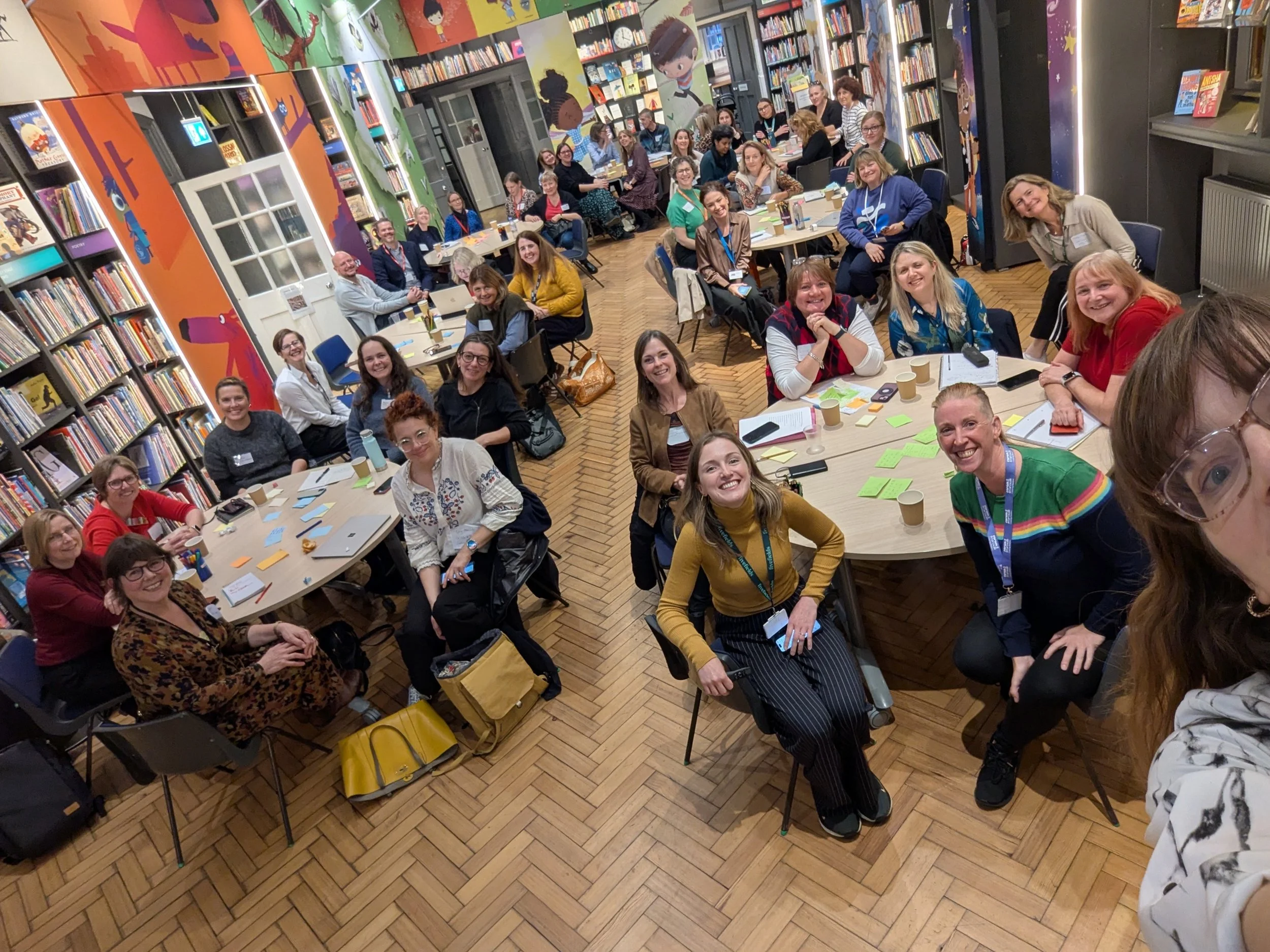
Members at the Literacy Link autumn gathering
The year's activity, led by the National Literacy Trust in partnership with the Department for Education, includes clear and collective goals - from recruiting 100,000 new reading volunteers to engaging one million new library members. Literacy Link members are also working together to share practical offers with schools through the Literacy Hive, with a focus not just on making 2026 a success, but on creating a lasting legacy beyond it.
And this is where all FEA members come in. If literacy isn't your core mission, the National Year of Reading is still very much for you. Small, practical steps can make a real difference: embedding positive messages about reading into your programmes or communications; creating spaces where reading feels welcoming and relevant; or partnering with literacy organisations to reach children and young people you already work with. Reading underpins learning, confidence and opportunity across every stage of life – which makes it everyone’s business.
The National Year of Reading will only succeed if we work together. Through collaboration, curiosity and collective action, we can help ensure this year sparks change that lasts. Let’s Go All In.

Emma Bell
CEO, Chapter One UK
Chapter One UK is an FEA member organisation and part of our Literacy Link thematic collaboration group. They close the reading gap by providing children aged 5–8 facing disadvantage with one-to-one reading support at the time they need it most. They believe it all starts with literacy - building the reading skills, confidence and enjoyment that enable all children to thrive in life.